
Thinking about refinancing your home loan but dreading the hassle and cost of an appraisal? You’re not alone.
Many homeowners like you want a smoother, faster refinance process without unnecessary fees. That’s where refinance appraisal waiver lenders come in. They can help you skip the traditional appraisal step, saving you time and money. But how do these waivers work, who qualifies, and which lenders offer them?
Keep reading to uncover everything you need to know about appraisal waivers and find out if you can take advantage of this smart refinancing option. Your next move could be simpler than you think.
What Is An Appraisal Waiver
An appraisal waiver means skipping the physical home appraisal. Instead, the lender uses an automated valuation process. This process relies on computer models and data to estimate the home’s value. It saves time and reduces costs for borrowers.
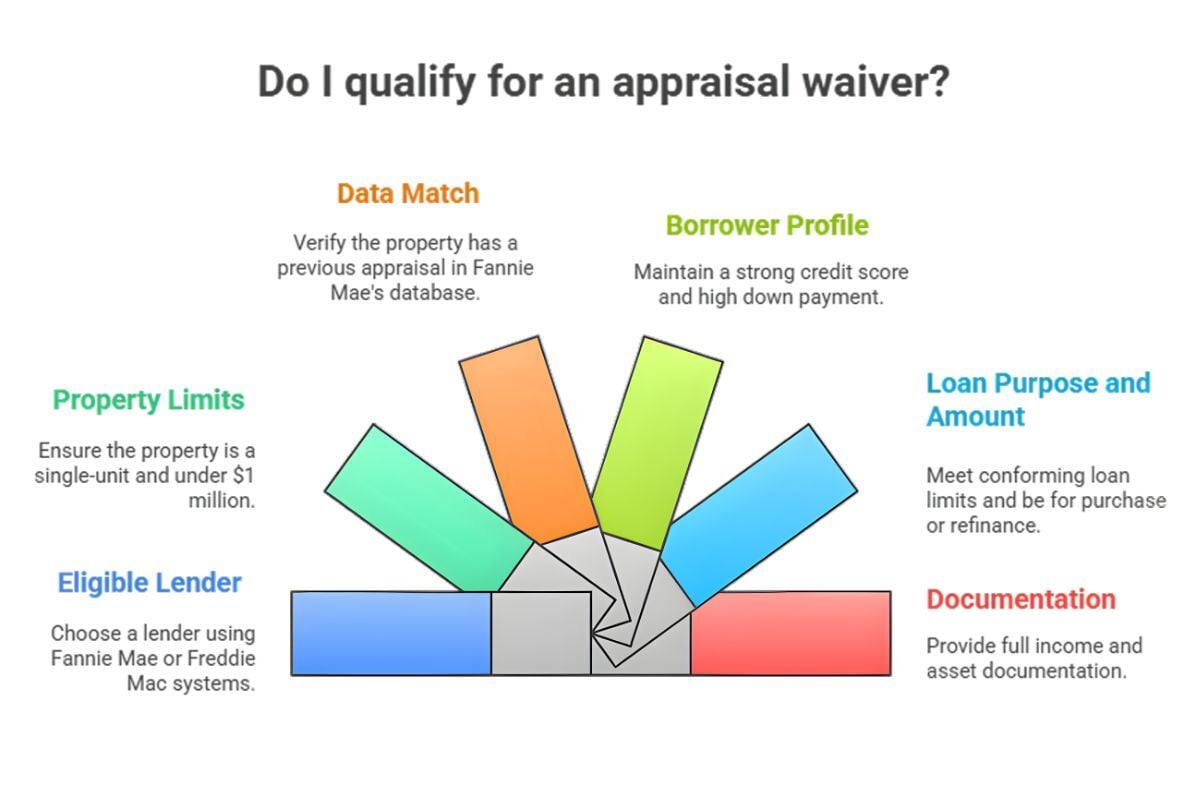
To qualify for an appraisal waiver, certain eligibility criteria must be met. These include a strong credit score, low loan-to-value ratio, and stable property value trends. Not all loans qualify for this option.
| Loan Type | Appraisal Waiver Accepted |
|---|---|
| Conventional Conforming Loans | Yes |
| Jumbo Loans | No |
| FHA Loans | No |
| VA Loans | No |
Benefits Of Waiving An Appraisal
Saving time is a key benefit of waiving an appraisal during refinance. The process moves faster since no home visit is needed. This means loans can close quicker, helping borrowers access funds sooner.
Reducing out-of-pocket costs is another advantage. Appraisal fees, which can be several hundred dollars, are eliminated. This lowers the overall expense of refinancing and saves money for homeowners.
Simplifying the loan process makes refinancing easier. Fewer steps and less paperwork are required. Borrowers face less hassle and fewer delays, making the experience smoother and less stressful.
How Lenders Approve Waivers
Automated Underwriting Systems (AUS) play a key role in approving appraisal waivers. These systems analyze loan data quickly. They check borrower credit, loan-to-value ratio, and property details. If the data shows low risk, the system may approve a waiver. This means no need for a home appraisal.
Data sources include recent sales prices, property tax assessments, and market trends. Lenders use this information to estimate the home’s value accurately. Reliable data helps avoid unnecessary appraisals.
| Risk Assessment Factors | Details |
|---|---|
| Borrower Credit Score | Higher scores increase waiver chances |
| Loan-to-Value Ratio | Lower ratios mean less risk |
| Property Type | Standard properties qualify easier |
| Market Data | Stable market supports waiver approval |
Qualifying For A Refinance Appraisal Waiver
Credit scores usually need to be at least 700 or higher to qualify for an appraisal waiver. Lenders want to see a strong payment history and low debt.
Loan-to-value (LTV) ratios must be below 80% for most lenders to offer appraisal waivers. This means you owe less than 80% of your home’s value.
Only certain property types qualify for appraisal waivers. These include single-family homes and some condos. Investment properties or new builds usually do not qualify.
Limitations And Risks
Appraisal waivers are not always granted. Some loans need a full appraisal to move forward. This happens if the property type is unusual or data is missing. Lenders may deny waivers for jumbo, FHA, or VA loans. In these cases, a traditional appraisal is required.
Risks include inaccurate home value estimates. Without an appraisal, lenders may miss hidden property issues. This could cause loan delays or denials. Borrowers might face higher costs if an appraisal is required later. Not all lenders use the same rules for waivers.
| Reason Waiver Not Granted | Possible Impact |
|---|---|
| Property type is rare or unique | Full appraisal required, causing delays |
| Loan is jumbo, FHA, or VA | Waiver not allowed, appraisal needed |
| Insufficient property data | Automatic waiver denial by system |
| Automated system flags risk | Manual review or appraisal required |
Top Lenders Offering Appraisal Waivers
National mortgage companies like Wells Fargo and Quicken Loans often offer appraisal waivers for refinance loans. These companies use automated systems to check if a waiver is possible. This can save borrowers time and money by skipping the appraisal step.
Online lending platforms such as Rocket Mortgage and SoFi also provide appraisal waivers. Their digital tools quickly analyze property data to decide eligibility. This makes the process faster and easier for many homeowners.
Local lenders in Austin, Texas may offer appraisal waivers too. These lenders understand the local market well. They use data from recent sales and property values to approve waivers when possible. Working with local lenders can give borrowers a more personal experience.
Steps To Request An Appraisal Waiver
Prepare your application by gathering all necessary documents. This includes your current mortgage statement, income proof, and property details. Accurate information helps speed up the process.
Communicate clearly with your lender. Ask about eligibility and required forms. Stay in touch often to answer any questions quickly. This shows you are ready and organized.
During approval, expect the lender to review your loan history and property data. They use automated systems to decide if a waiver is possible. You might get a quick answer, sometimes within days.

Comparing Refinance Options With And Without Waivers
Refinancing with an appraisal waiver often costs less. You save the appraisal fee, which can be several hundred dollars. Without a waiver, the appraisal fee is a required expense.
Processing times are faster with a waiver. The lender skips the home visit, so you get approval quicker. Without the waiver, appraisals can add days or weeks to closing.
| Aspect | With Appraisal Waiver | Without Appraisal Waiver |
|---|---|---|
| Cost | Lower (No appraisal fee) | Higher (Appraisal fee applies) |
| Processing Time | Faster (No home inspection) | Slower (Appraisal needed) |
| Long-Term Impact | May affect loan amount accuracy | More accurate property value |
The long-term financial impact depends on property value accuracy. Waivers rely on automated data, which might not reflect current conditions. Without a waiver, the appraisal gives a clear market value. This can affect loan terms and future resale value.
Recent Trends In Appraisal Waiver Usage
More property data is available now. This helps lenders skip appraisals more often. Automated systems use this data to check home values quickly and safely.
New rules from regulators allow more appraisal waivers. These rules make the process faster and cheaper for borrowers. But not all loans qualify for waivers.
| Factor | Effect on Appraisal Waivers |
|---|---|
| Increased Data | More loans qualify for waivers due to better home value info |
| Regulations | New guidelines allow safer use of waivers |
| Market Adoption | More lenders now offer appraisal waivers |
Lenders in many areas, including Austin, Texas, are using waivers more. This change helps borrowers save money and close loans faster.

Frequently Asked Questions
What Is The 2% Rule For Refinancing?
The 2% rule for refinancing means your home’s value must increase by at least 2% to qualify for better loan terms. This helps lenders ensure sufficient equity before approving refinancing.
How Hard Is It To Get An Appraisal Waiver?
Getting an appraisal waiver depends on loan type, property data, and automated underwriting results. Qualifying loans usually are conventional conforming loans. Lenders approve waivers when sufficient data supports property value without in-person appraisal. It’s not guaranteed and varies by lender and borrower profile.
Can I Get A Refinance Without An Appraisal?
Yes, some lenders offer refinance options without an appraisal using appraisal waivers. These depend on loan type and property data availability.
What Will Fail A Refinance Appraisal?
A refinance appraisal fails if the property value is below the loan amount, has significant damage, or lacks comparable sales nearby.
Conclusion
Refinance appraisal waivers offer a faster, simpler way to refinance your home. Lenders use data and automated systems to decide if waivers apply. This can save you money by skipping the appraisal fee. Not all loans or homes qualify, so check your lender’s rules.
Understanding appraisal waivers helps you make smarter refinancing choices. Stay informed and compare options before deciding. This knowledge can make your refinance process smoother and less costly.
Read More
- Refinance Rate Lock Options: Secure Your Best Mortgage Deal Today
- Fixed Rate Mortgage Offers: Unlock Best Deals for Homebuyers Today
- Low Apr Loan Comparison: Find the Best Deals Today
- Money Market Account Comparison: Top Rates and Benefits Revealed
- Private Banking Interest Offers: Unlock Exclusive High-Yield Benefits
- Home Equity Refinance Quotes: Unlock Savings with Top Rates Today
- Same Day Loan Prequalification: Fast, Easy Approval Tips
- Online Installment Loan Quotes: Unlock Fast, Easy Financing Today
- Prime Lending Rate Forecast: What Experts Predict for 2026
- Mortgage Refinance Approval Guide: Insider Tips for Fast Success