

When you’re refinancing your mortgage, locking in the right interest rate can save you thousands of dollars over time. But how do you know when to lock your rate?
And what options do you have if rates change after you lock? Understanding refinance rate lock options is key to making smart decisions that protect your money and give you peace of mind. You’ll discover how rate locks work, the benefits of different lock choices, and tips to help you secure the best possible rate for your refinance.
Keep reading to take control of your refinancing journey and avoid costly surprises.
Mortgage Rate Lock Basics
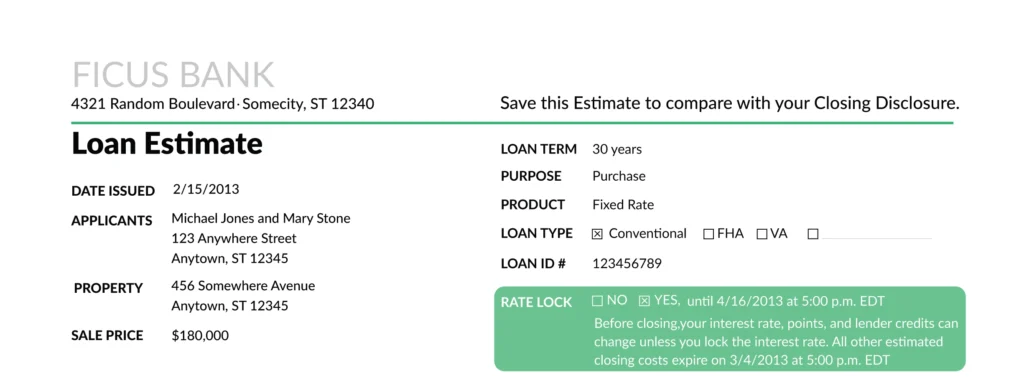
A rate lock is a promise from your lender to keep your mortgage rate the same. It protects you from rising interest rates during the loan process. This means your rate won’t go up, even if market rates increase.
Rate locks can last for different times, often between 15 to 60 days. The lock period depends on your lender and loan type. If your loan takes longer, you may need to pay for an extension.
Some rate locks offer a float-down option. This lets you get a lower rate if rates drop during the lock period. Without this, you keep the rate locked at the higher price.
Types Of Rate Lock Options
Standard Rate Lock holds your interest rate for a set time, usually 30 to 60 days. This protects you from rising rates during that period. You pay no extra fee, but you cannot benefit if rates fall.
Float-Down Option lets you lower your locked rate if market rates drop. This option often costs a small fee or slightly higher rate. It offers flexibility if rates improve before closing.
Extended Rate Lock keeps your rate for a longer time, sometimes up to 120 days. This is useful if your loan process takes longer. Extended locks usually cost extra but prevent rate increases during delays.
Benefits Of Rate Locking
Rate locking protects you from rising interest rates during refinancing. It fixes your rate for a set time, so you know exactly what you will pay.
This helps with budget planning. You can calculate your monthly payments without surprises. It makes managing your money easier and safer.
Peace of mind comes from knowing your rate won’t increase unexpectedly. You avoid stress and uncertainty as you complete your refinance.

When To Lock Your Rate
Watch the market daily to see how rates change. Rates may rise or fall quickly. Locking your rate too early might miss a lower rate later. Waiting too long risks higher costs.
Plan your refinance with loan processing times in mind. It can take weeks to close the loan. Lock the rate close to your closing date to avoid losing it.
Some lenders offer a float-down option. This lets you lower your rate if rates drop after locking. It gives more security when markets are unsure.
Costs And Fees Associated
Rate lock fees are charges borrowers pay to secure an interest rate during refinancing. These fees vary by lender and loan type. Sometimes, a rate lock fee is included in closing costs. Other times, it may be a separate charge.
Float-down fees allow borrowers to lower their locked rate if market rates drop. This option offers flexibility but usually comes with an added cost. Not all lenders offer float-down options.
Negotiating rate lock terms can help reduce fees or add benefits. Some lenders may waive fees for loyal customers or larger loans. It is wise to ask about fee details and flexibility before agreeing.
Float-down Features In Detail
The float-down feature lets borrowers lower their locked interest rate. It activates if rates drop during the lock period. This option provides flexibility and potential savings.
Qualifying usually requires meeting lender rules and loan type criteria. Some lenders charge a fee or limit how often you can use float-down. The feature is not standard for all loans.
Limitations include a set time frame to request the float-down. Some loans cap the maximum rate reduction allowed. Borrowers must watch deadlines carefully to benefit from this option.
Extended Lock Options
Extended lock options let borrowers secure a refinance rate for a longer time. This is helpful when the loan process takes more than the usual 30-45 days. Rates can change during this period, so an extended lock protects you from rising rates.
Choosing extended locks works best if you expect delays or if rates are rising. It gives peace of mind and avoids surprises at closing. But extended locks may cost more. Some lenders charge fees or higher rates for longer locks.
| Lender | Extended Lock Fees | Lock Length Options | Float-Down Option |
|---|---|---|---|
| Lender A | 0.25% of loan amount | 45, 60, 90 days | Yes, with extra cost |
| Lender B | Flat $500 fee | 60, 90, 120 days | No |
| Lender C | No fee up to 60 days | 30, 45, 60 days | Yes, free for 30 days |
Risks And Considerations
Locking a refinance rate means you agree to a set interest rate for some time. If rates drop after locking, you may miss out on lower payments. This is called potential lost savings. Some lenders offer a float-down option, letting you lower your rate if rates fall.
Rate locks have expiry dates. If you do not close before the lock ends, the rate may rise. This is known as lock expiry risk. You might have to pay a higher rate or extra fees.
| Risk | Description |
|---|---|
| Potential Lost Savings | Rates drop after locking, but your rate stays higher. |
| Lock Expiry Risks | Lock ends before closing, causing possible rate increase or fees. |
Choosing The Right Rate Lock
Assessing your financial situation helps decide the best rate lock option. Consider your current income, debts, and credit score. These factors affect your loan approval and interest rate. Choose a lock period that matches your refinance timeline to avoid extra fees.
Comparing lender offers reveals different rate lock terms. Some lenders offer a fixed rate lock, while others provide a float-down option. Float-down lets you lower your rate if market rates fall during the lock period. Check fees, lock length, and flexibility before deciding.
Consulting mortgage professionals provides expert advice tailored to your needs. Loan officers or brokers explain complex terms and help select the best lock option. They can guide you through paperwork and timing to secure the lowest possible rate.
Refinance Strategies With Rate Locks
Maximizing savings means using rate locks wisely. Locking a rate early can protect from rising interest rates. Some lenders offer a float-down option, letting you lower your rate if market rates fall. This adds flexibility and can save money.
Combining rate locks with other offers helps increase benefits. Pairing a rate lock with lender credits or cashback deals boosts savings. Always check if offers can be used together for the best deal.
Adjusting plans based on market changes is smart. Watch mortgage trends during the lock period. If rates drop and no float-down option exists, consider ending the lock and restarting it. This may cost fees but can lower your rate.

Frequently Asked Questions
What Happens If Rates Drop After You Lock?
If rates drop after you lock, you usually keep your original rate. Some lenders offer a float-down option to lower it. This option may require a fee and varies by lender and loan type. Without float-down, you cannot reduce the locked rate.
What Is The 2% Rule For Refinancing?
The 2% rule for refinancing means your new loan’s interest rate should be at least 2% lower than your current rate. This ensures refinancing saves you enough money to cover closing costs and fees.
Can A 70 Year Old Woman Get A 30 Year Mortgage?
A 70-year-old woman can get a 30-year mortgage, but lenders may require higher credit scores and income verification. Approval depends on financial health.
Are Rate Locks A Good Idea?
Rate locks protect you from rising interest rates during the loan process. They offer stability but may limit benefits if rates drop. Some lenders include float-down options to adjust rates lower if market rates fall. Overall, rate locks provide peace of mind and can save money in a volatile market.
Conclusion
Choosing the right refinance rate lock option can save you money and stress. Rate locks protect you from rising rates during refinancing. Some offer float-down features to benefit from rate drops. Understanding these options helps you make smart decisions. Keep track of market trends and loan terms.
A well-chosen rate lock secures your savings and peace of mind. Take time to compare offers before you commit. This simple step can improve your refinance experience greatly.
Read More
- Fixed Rate Mortgage Offers: Unlock Best Deals for Homebuyers Today
- Low Apr Loan Comparison: Find the Best Deals Today
- Money Market Account Comparison: Top Rates and Benefits Revealed
- Private Banking Interest Offers: Unlock Exclusive High-Yield Benefits
- Home Equity Refinance Quotes: Unlock Savings with Top Rates Today
- Same Day Loan Prequalification: Fast, Easy Approval Tips
- Online Installment Loan Quotes: Unlock Fast, Easy Financing Today
- Prime Lending Rate Forecast: What Experts Predict for 2026
- Mortgage Refinance Approval Guide: Insider Tips for Fast Success
- Low Interest Personal Loans: Unlock Affordable Borrowing Today