
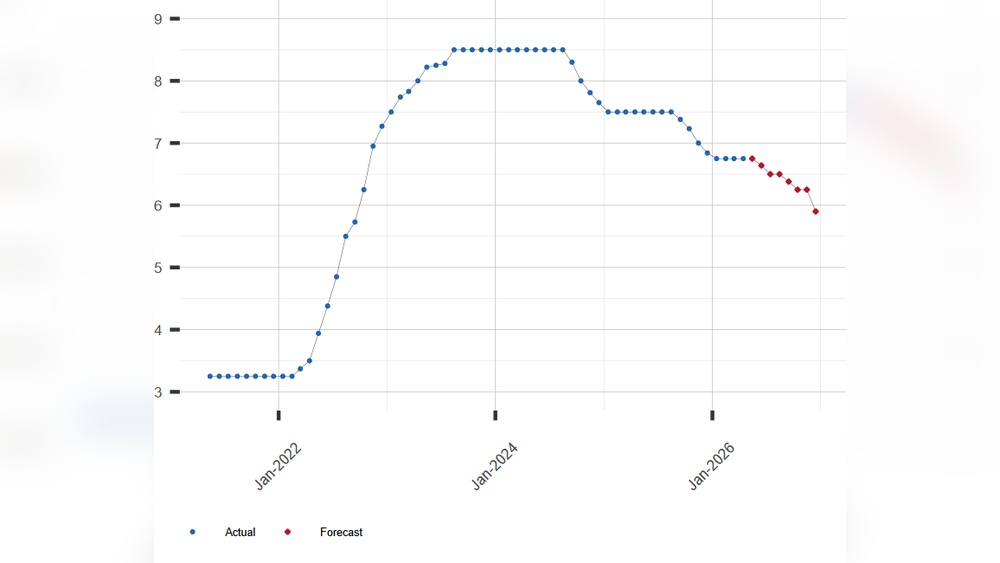
Are you wondering where the prime lending rate is headed next? Whether you’re planning to take out a loan, refinance your mortgage, or manage your business finances, understanding the prime lending rate forecast can save you money and help you make smarter decisions.
The prime rate affects how much interest you pay on loans and credit, so even small changes can have a big impact on your wallet. You’ll find clear, up-to-date insights on what experts predict for the prime rate in the coming months.
Keep reading to learn how these changes might affect your financial plans—and how you can stay ahead of the curve.

Prime Rate Basics
The prime rate is the interest rate banks charge their best customers. It is a key rate used as a baseline for many loans and credit products. This rate often affects credit cards, home equity lines, and small business loans.
The prime rate is usually based on the federal funds rate, set by the Federal Reserve. When this rate changes, the prime rate often moves too. Banks add a margin on top of the federal funds rate to set the prime rate.
The prime rate impacts both borrowers and businesses. Lower prime rates mean cheaper loans, encouraging more spending and investment. Higher rates make borrowing more expensive, which can slow down economic growth.
Historical Trends
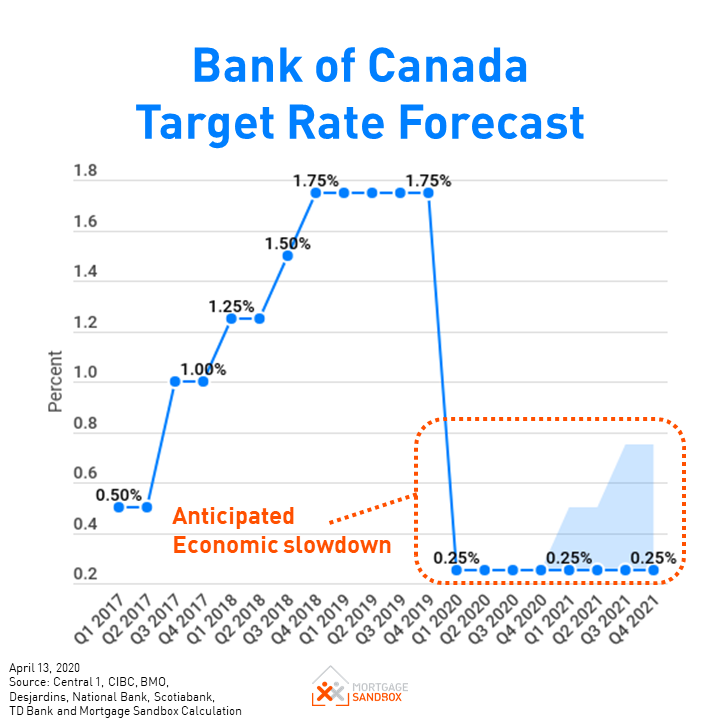
The prime lending rate has seen many changes over the past ten years. It often rises or falls based on the economy’s health. When inflation is high, the prime rate usually goes up. This helps control prices. When the economy slows, the prime rate tends to drop. This encourages borrowing and spending.
Several key factors influenced past rate shifts. The Federal Reserve’s decisions played a big role. They adjust rates to keep the economy stable. Economic events like recessions or booms also affected the prime rate. Changes in inflation, employment, and global markets matter too.
Here is a simple table showing the prime rate changes over the last decade:
| Year | Prime Rate (%) | Reason for Change |
|---|---|---|
| 2014 | 3.25 | Stable economy, low inflation |
| 2016 | 3.50 | Fed increased rates slightly |
| 2019 | 5.50 | Strong economic growth |
| 2020 | 3.25 | COVID-19 pandemic, rate cuts |
| 2023 | 8.00 | Rising inflation, rate hikes |
Economic Indicators Affecting 2026
Inflation affects how much banks charge for loans. Rising inflation usually means higher prime rates because lenders want to keep up with the cost of goods and services. When inflation is low, prime rates tend to stay steady or drop.
The Federal Reserve sets policies that influence prime rates. If the Fed raises its key rates, banks often follow with higher prime rates. The Fed may also change rates to control inflation or boost economic growth.
Global economic conditions also play a role. If other countries face economic problems, it can affect U.S. markets. Trade tensions or crises abroad may cause uncertainty, which can lead to changes in the prime lending rate.
Expert Predictions For 2026
Major financial institutions predict a steady prime lending rate in 2026. Most expect small increases or no change. This reflects cautious optimism about economic growth and inflation control. Banks like JPMorgan Chase and Goldman Sachs forecast rates between 7.5% and 8%. These forecasts rely on inflation trends and Federal Reserve policies.
Economists largely agree on moderate rate hikes. They warn that rapid increases could slow borrowing and spending. The consensus sees the rate stabilizing near 7.75% by year-end. This supports balanced economic expansion without overheating.
| Scenario | Description | Estimated Rate Range (2026) |
|---|---|---|
| Base Case | Gradual increases as inflation eases | 7.25% – 7.75% |
| High Inflation | Faster hikes to combat rising prices | 8.0% – 8.5% |
| Economic Slowdown | Rate cuts to stimulate growth | 6.5% – 7.0% |
Implications Of Rate Changes
Consumer loans become more expensive when the prime lending rate rises. Borrowers may face higher monthly payments on credit cards, auto loans, and personal loans. This can reduce spending and increase financial stress for many families.
Business financing costs increase with higher prime rates. Small and medium businesses might delay expansion or hiring. Loans for equipment, inventory, or working capital get pricier, which can slow business growth and innovation.
In the housing market, mortgage rates often track the prime rate. Higher rates can lower home affordability, reducing demand for new homes. Buyers may wait for rates to drop, causing slower sales and affecting home prices.
Tracking The Prime Rate
Reliable sources offer real-time updates on the prime lending rate. The Federal Reserve provides daily data on selected interest rates, which includes the prime rate. Websites like Bankrate and the Wall Street Journal (WSJ) publish forecasts and historical data to help track changes. These sources gather information from banks and economic indicators to predict rate movements.
Using historical data helps analyze trends and possible future changes. Past prime rates reveal patterns linked to economic events. Analysts compare these trends with current market conditions to forecast upcoming shifts. This approach makes it easier to understand when the prime rate might rise or fall.
Frequently Asked Questions
Is The Prime Interest Rate Expected To Go Down?
The prime interest rate may decrease if inflation slows and economic growth weakens. Watch Federal Reserve announcements for updates.
What Is Prime Rate Expected To Do In 2026?
The prime rate in 2026 is expected to remain stable or slightly increase due to ongoing economic recovery and inflation trends.
Will Interest Rates Reach 5% In 2026?
Interest rates may approach 5% in 2026, depending on inflation and Federal Reserve policies. Forecasts vary widely.
What Will The Prime Rate Be In 2027?
The prime rate in 2027 depends on economic conditions and Federal Reserve policies. Exact rates are unpredictable. Check official forecasts for updates.
Conclusion
The prime lending rate affects many financial decisions. Watching its changes helps you plan better. Experts expect shifts based on economic trends and policies. Staying informed gives you an edge in budgeting and borrowing. Keep checking trusted sources for the latest updates.
Understanding the forecast can guide your financial moves wisely. The prime rate’s future remains linked to market and government actions. Stay alert and ready to adjust your plans accordingly.
Read More
- Refinance Rate Lock Options: Secure Your Best Mortgage Deal Today
- Fixed Rate Mortgage Offers: Unlock Best Deals for Homebuyers Today
- Low Apr Loan Comparison: Find the Best Deals Today
- Money Market Account Comparison: Top Rates and Benefits Revealed
- Private Banking Interest Offers: Unlock Exclusive High-Yield Benefits
- Home Equity Refinance Quotes: Unlock Savings with Top Rates Today
- Same Day Loan Prequalification: Fast, Easy Approval Tips
- Online Installment Loan Quotes: Unlock Fast, Easy Financing Today
- Mortgage Refinance Approval Guide: Insider Tips for Fast Success
- Low Interest Personal Loans: Unlock Affordable Borrowing Today