

Looking for the best home loan rate can feel overwhelming, but it doesn’t have to be. You want to save money and secure a loan that fits your budget and goals.
That’s why comparing home loan rates is crucial before making such a big decision. In this guide, you’ll discover how to quickly and easily compare the best home loan rates available today. By the end, you’ll know exactly where to find the lowest rates and how to choose the right loan for your unique situation.
Keep reading to take control of your home financing and unlock the best deals out there.
Current Home Loan Rates
The national average home loan rate is around 6.5% for a 30-year fixed mortgage. Rates can change daily based on the economy and lender offers. Regions like the West Coast often see slightly higher rates than the Midwest. This is due to local market conditions and demand.
Fixed rates stay the same for the loan’s full term. This makes monthly payments predictable and easier to plan. Adjustable rates start lower but can change after a few years. They might go up or down, affecting your payment amount.
| Type of Rate | Typical Rate | Key Feature |
|---|---|---|
| Fixed | 6.5% (national average) | Stable monthly payments |
| Adjustable | Starts lower, around 5.8% | Payment changes after initial period |

Top Lenders To Consider
Major banks offer stable rates and wide branch networks. They often provide strong customer service and flexible loan options. Popular choices include Chase, Wells Fargo, and Bank of America.
Regional banks usually give competitive rates and personalized service. They serve specific states or areas, which can benefit local borrowers. Examples are PNC Bank and Regions Bank.
Online mortgage providers focus on speed and convenience. They often offer lower rates due to reduced overhead costs. Quicken Loans and Rocket Mortgage are well-known online lenders.
Using Rate Comparison Tools
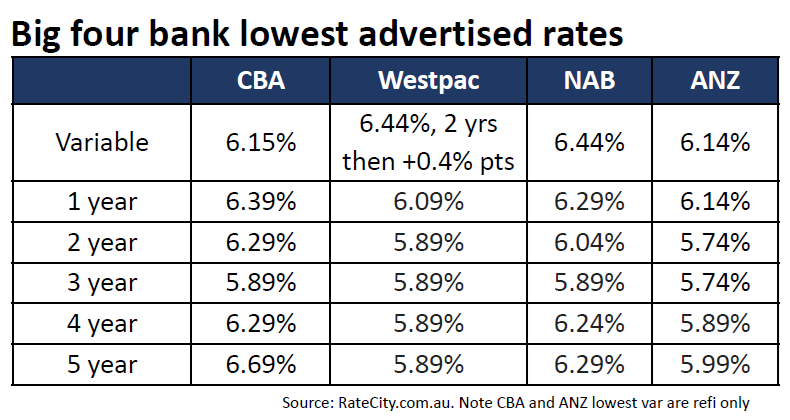
Comparison calculators help you quickly see different home loan rates. They show rates from many lenders in one place. This saves time and effort. You can enter your details like loan amount and credit score. The tool then gives you personalized rates based on your profile. This way, you see only the rates that apply to you. Some calculators even show monthly payments and total interest costs.
Popular platforms for comparing home loan rates include Bankrate, NerdWallet, and Credit Karma. These sites update rates daily to reflect market changes. They also offer tips and guides for better loan choices. You can compare fixed and variable rates side by side. Some tools let you compare fees and loan terms too. Using these platforms helps you find the best loan deal for your needs.
Factors Affecting Loan Rates
Credit score plays a big role in getting good loan rates. Higher scores usually mean lower interest rates. Lenders see borrowers with strong credit as less risky.
Loan amount and term also affect rates. Larger loans might have different rates. Shorter terms often have lower rates but higher monthly payments.
Property location and type matter too. Urban areas may have higher rates than rural areas. Different property types, like condos or single-family homes, can impact the loan rate offered.
Strategies To Secure Best Rates
Improving your credit profile can help you get a better loan rate. Pay bills on time and keep credit card balances low. Check your credit report for errors and fix them quickly. A higher credit score means lenders trust you more.
Choosing the right loan type matters. Fixed-rate loans offer steady payments. Adjustable-rate loans start lower but can rise later. Decide based on how long you plan to stay in the home and your budget.
Timing your loan application can save money. Interest rates change often. Apply when rates are low. Also, avoid big purchases or new debts before applying. This keeps your financial profile strong for lenders.

Special Loan Programs
FHA loans are backed by the government and help buyers with lower credit scores. They require a small down payment, making homeownership easier. VA loans are for veterans and offer no down payment and no private mortgage insurance.
First-time homebuyer offers often include lower rates or reduced fees. Many lenders want to help new buyers get started. These offers can save money in the first few years.
| State | Special Loan Deals |
|---|---|
| California | Down payment assistance programs |
| Texas | Low-interest loans for first-time buyers |
| Florida | Grants for closing costs |
Checking state-specific programs can uncover extra savings. Each state has its own benefits to help buyers afford homes.
Refinancing Opportunities
Refinancing is a way to replace your current loan with a new one. It can help lower your monthly payments or get a better interest rate. The best time to refinance is when rates drop below your current rate by at least 0.5% to 1%. Also, consider refinancing if your credit score has improved.
Compare offers from several lenders to find the best refinance rate. Look at both the interest rate and loan terms. Different lenders may offer different fees and closing costs.
| Costs | Benefits |
|---|---|
| Application fees | Lower monthly payments |
| Closing costs | Shorter loan term |
| Prepayment penalties | Build equity faster |
| Appraisal fees | Switch from variable to fixed rate |
Make sure the benefits outweigh the costs. Sometimes refinancing is not worth it. Calculate your break-even point before deciding.
Local Market Insights
Austin, Texas shows steady home loan rates, often below the national average. Rates usually range between 6.0% to 6.5% for a 30-year fixed mortgage. Local banks and credit unions offer competitive deals with fewer fees. The housing market here is growing, so rates may fluctuate slightly.
In California, rates can be a bit higher, typically from 6.3% to 6.8%. Big cities like Los Angeles and San Francisco have more lenders, giving buyers many options. Some lenders offer special rates for first-time homebuyers.
| City | Typical 30-Year Fixed Rate | Loan Types Commonly Offered | Notes |
|---|---|---|---|
| Austin, Texas | 6.0% – 6.5% | Fixed, ARM, VA Loans | Low fees, growing market |
| Los Angeles, California | 6.3% – 6.8% | Fixed, FHA, Jumbo Loans | Many lender options |
| New York City, NY | 6.2% – 6.7% | Fixed, ARM, FHA | Higher property prices |
| Chicago, Illinois | 6.1% – 6.6% | Fixed, VA, FHA | Stable market |
Frequently Asked Questions
Who Has The Best Mortgage Loan Rates Right Now?
Check top lenders like Bankrate, NerdWallet, Wells Fargo, and Rocket Mortgage for the best current mortgage loan rates. Compare personalized rates online to find the lowest offers that fit your financial profile today.
Who Is Offering The Best Mortgage Rates?
Top mortgage rates vary daily and depend on credit and location. Use sites like Bankrate, NerdWallet, or Credit Karma to compare current offers.
What Is The 2% Rule For Refinancing?
The 2% rule for refinancing means your new interest rate should be at least 2% lower than your current rate. This helps ensure savings cover refinancing costs.
How Can I Get A 4% Mortgage Rate?
To get a 4% mortgage rate, maintain a high credit score, save for a large down payment, and shop around lenders. Lock rates during market dips and consider government-backed loans or refinancing options.
Conclusion
Finding the best home loan rate takes time and careful thought. Compare rates from different lenders to see what fits you. Small differences in rates can save you money over years. Don’t forget to check loan terms and fees as well.
Use online tools to make comparisons easier and faster. Keep your budget and future plans in mind when choosing. Taking these steps helps you make a smart, informed choice. Your home loan should support your financial goals, not add stress.
Read More
- Refinance Rate Lock Options: Secure Your Best Mortgage Deal Today
- Fixed Rate Mortgage Offers: Unlock Best Deals for Homebuyers Today
- Low Apr Loan Comparison: Find the Best Deals Today
- Money Market Account Comparison: Top Rates and Benefits Revealed
- Private Banking Interest Offers: Unlock Exclusive High-Yield Benefits
- Home Equity Refinance Quotes: Unlock Savings with Top Rates Today
- Same Day Loan Prequalification: Fast, Easy Approval Tips
- Online Installment Loan Quotes: Unlock Fast, Easy Financing Today
- Prime Lending Rate Forecast: What Experts Predict for 2026
- Mortgage Refinance Approval Guide: Insider Tips for Fast Success